Beyond the Flame: How Temperature Probes Revolutionize Outdoor Cooking Accuracy
4 min read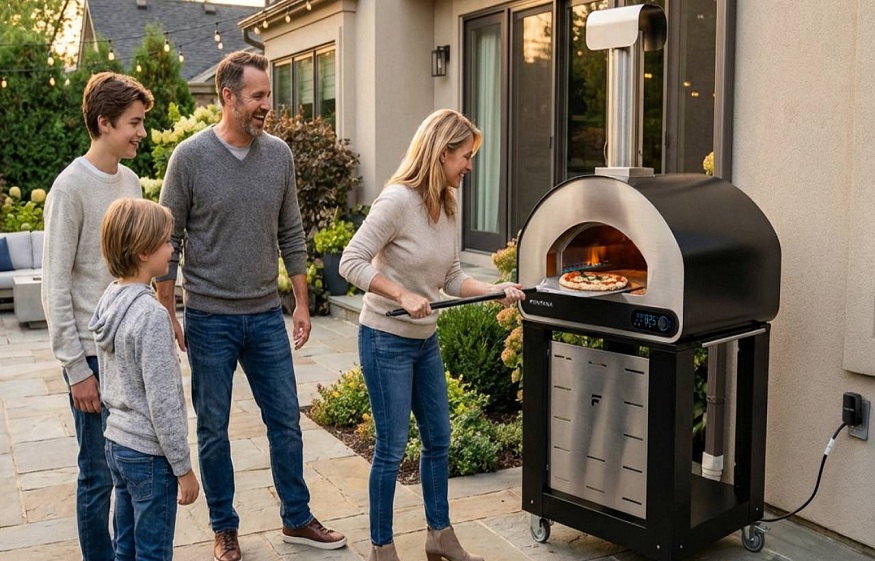
For generations, the art of outdoor cooking was passed down through anecdotal methods and guesswork. Backyard chefs relied on the poke test to judge the firmness of a steak, the sight of clear juices to determine if a chicken was done, or the simple passage of time based on a rough estimate of minutes per pound. While these traditional techniques have a certain rustic charm, they are notoriously unreliable. Factors such as wind speed, ambient humidity, the starting temperature of the meat, and the erratic nature of live fire can cause significant variations in cooking times. The transition from a backyard hobbyist to a consistent outdoor culinary expert often begins with a single, vital tool: the Volta smart outdoor oven with temperature probe. By removing the mystery from the heat, these devices ensure that every meal is as safe as it is delicious.
Ensuring Food Safety and Health Standards
While flavor and texture are the primary goals for most enthusiasts, food safety is the most critical function of a temperature probe. Pathogenic bacteria such as Salmonella and E. coli are a reality when handling raw proteins, and they can only be neutralized by reaching specific internal temperatures. The danger of relying on visual cues, such as the color of the meat, is that they can be deceptive. Certain smoking techniques can leave a pink ring in poultry that looks undercooked even when it is safe, while high-heat grilling can char the outside of a burger while the center remains dangerously raw.
Read More : Chill Out: A Comprehensive Guide to Selecting the Perfect Cooling Mattress Protector
Using a calibrated temperature probe provides the certainty required to protect your guests. Following the guidelines set by health organizations ensures that harmful pathogens are destroyed without the need to overcook the food to the point of being unpalatable. For the outdoor cook, this means serving meals with confidence. You no longer have to cut into a chicken breast to check for pinkness, which inadvertently lets out the flavorful juices; instead, you can trust the digital readout to tell you exactly when the safety threshold has been crossed.
The Dynamics of Carryover Cooking
One of the most misunderstood concepts in grilling and smoking is carryover cooking. When a large piece of meat is removed from a high-heat source, it does not immediately stop cooking. The residual heat trapped in the outer layers continues to move toward the cooler center, often raising the internal temperature by several degrees during the resting period. Without a probe, it is nearly impossible to account for this phenomenon accurately.
Professional pitmasters use probes to identify the perfect pull temperature, which is slightly lower than the final target doneness. This foresight allows the meat to reach its peak during the rest, ensuring that the final result is exactly what was intended. This mastery of the resting phase is often the difference between a steak that is perfectly medium-rare from edge to edge and one that has a thick gray band of overcooked meat surrounding a small red center.
Monitoring Ambient Versus Internal Heat
Modern temperature probes have evolved far beyond the simple handheld thermometers of the past. Many contemporary systems feature multiple sensors that allow the cook to monitor both the internal temperature of the food and the ambient temperature of the cooking chamber simultaneously. In the world of low-and-slow smoking, the relationship between these two temperatures is everything. Knowing that your smoker has dipped by twenty degrees due to a change in the wind allows you to adjust your air vents before the drop affects the quality of your barbecue.
Read More : How California Interior Design Companies Transform Small Spaces into Masterpieces
Remote monitoring technology has also changed the social aspect of outdoor cooking. With wireless probes that send data to a base station or a smartphone app, the chef is no longer tethered to the grill. You can enjoy the company of your guests or prepare side dishes in the kitchen while maintaining a watchful eye on the progress of the main course. This constant stream of data allows for a proactive approach to cooking, where adjustments are made based on trends rather than reactions to a problem that has already occurred.
Conclusion
The evolution of outdoor cooking from a game of chance to a precise craft is a direct result of the accessibility of high-quality temperature probes. By focusing on the internal reality of the food rather than the external appearance, cooks can achieve a level of consistency that was previously reserved for professional kitchens. These tools empower the backyard chef to experiment with confidence, knowing that they have a reliable guide to help them navigate the complexities of fire and protein. Ultimately, a temperature probe is more than just a gadget; it is a fundamental bridge between heat and flavor, ensuring that every meal served from the grill is a testament to accuracy and care.