Chill Out: A Comprehensive Guide to Selecting the Perfect Cooling Mattress Protector
4 min read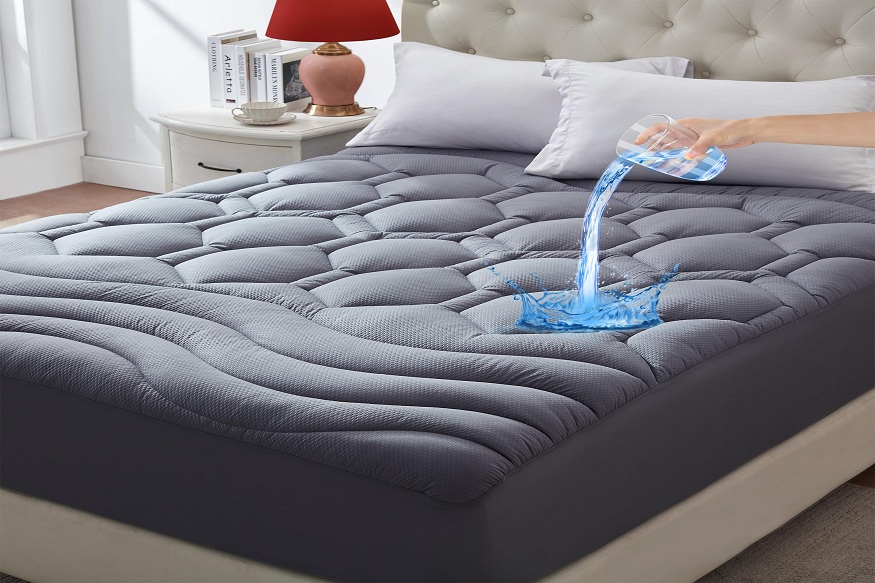
Sleep quality is inextricably linked to body temperature. For many, the frustrating experience of waking up in the middle of the night drenched in sweat or feeling uncomfortably warm is a common barrier to a restorative night. This phenomenon often occurs because traditional mattresses, especially those made of dense memory foam, tend to trap heat and radiate it back toward the sleeper. While upgrading an entire mattress is a significant investment, a cooling mattress protector offers a more accessible and highly effective solution. However, not all cooling protectors are created equal. Finding the right one requires an understanding of different cooling technologies, material compositions, and how they interact with your specific sleeping environment.
Understanding How Cooling Technology Works
The first step in choosing a cooling mattress protector is recognizing that “cooling” can mean two very different things in the textile world. The first approach is passive cooling, which relies on breathability and moisture-wicking properties. These protectors are designed to facilitate maximum airflow, allowing body heat to escape rather than becoming trapped against the skin. Materials like cotton, Tencel, and bamboo are champions of passive cooling because they are naturally porous and can move moisture away from the body, helping the skin’s natural evaporation process.
Read More : Emergency HVAC Services in Eugene: How Contractors Handle Sudden Breakdowns
The second approach is active cooling, often achieved through phase change materials or specialized conductive fibers. Phase change materials are engineered to absorb, store, and release heat. When you get too warm, the material absorbs the excess heat to keep you cool; if your temperature drops, it releases it back to maintain a stable environment. Other high-tech protectors use copper or graphite infusions to pull heat away from the body rapidly. Understanding which of these methods fits your needs is essential. If you simply get a bit warm, a breathable natural fiber might suffice. If you are a true “hot sleeper” who struggles with night sweats, you may need the more advanced thermal regulation of an active cooling system.
Evaluating Fit and Construction Styles
How a mattress protector fits onto your bed can impact both its cooling efficiency and your overall comfort. There are three main styles to consider: fitted sheet, zippered encasement, and elastic strap. The fitted sheet style is the most common and is generally preferred for cooling because it leaves the sides of the mattress relatively open, which can help with the overall breathability of the bed. It is also the easiest to remove and launder.
An encasement style provides six-sided protection and is the best defense against bed bugs and allergens, but it can sometimes restrict airflow more than a fitted style. If you choose an encasement, it is vital to ensure that all sides of the protector are made from breathable materials to prevent the mattress from becoming a heat trap. Finally, the elastic strap style sits only on the very top of the mattress. While this offers the most airflow to the sides of the bed, it can sometimes shift during the night, which may be distracting for active sleepers.
Maintenance and Long Term Durability
A mattress protector is a functional tool that requires regular maintenance to stay effective. Cooling technologies, particularly those involving specialized coatings or phase change materials, can be sensitive to high heat. When selecting a protector, check the care instructions to ensure they fit your lifestyle. Most cooling protectors require washing in cool or lukewarm water and drying on a low-heat setting. Subjecting a cooling protector to high heat in a dryer can damage the fibers or melt the breathable waterproof membrane, effectively stripping the protector of its cooling properties.
Read More : How to Find the Right Electrician Pflugerville for Your Home or Business
Durability is also a key factor. Look for protectors with reinforced stitching and high-quality elastic that won’t lose its stretch over time. A good protector should be able to withstand frequent washing without pilling or losing its smooth texture. Reading consumer reviews can provide insight into how well the cooling effects hold up after several months of use. A protector that loses its “cool to the touch” feel after just two washes is not a sound investment for your sleep health.
Conclusion
Selecting the best cooling mattress protector is a personal journey that depends on your specific thermal needs and comfort preferences. By focusing on the distinction between moisture-wicking natural fibers and advanced phase change materials, you can narrow down the technology that will most effectively regulate your temperature. When combined with a breathable waterproof barrier and a secure fit, the right protector acts as a powerful guardian for both your mattress and your sleep cycle.