
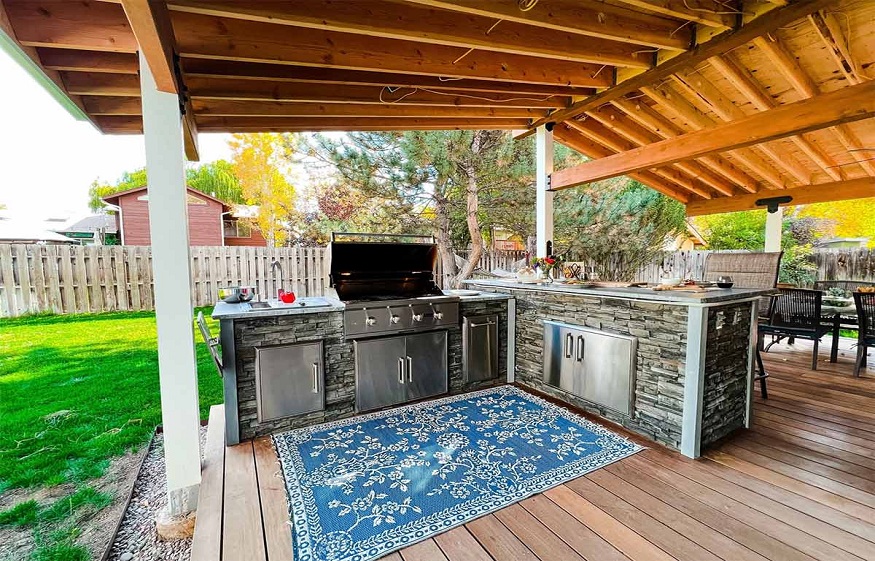
An outdoor kitchen is more than just a luxury; it’s a functional extension of your living space that offers a perfect venue for entertaining, cooking, and enjoying the beauty of the outdoors. However, like any outdoor feature, an outdoor kitchen requires regular maintenance to withstand the elements and remain in top shape. Whether you’ve just installed a new outdoor kitchen or are looking to refresh an existing one, maintaining its appearance and functionality is key to ensuring it remains a valuable part of your home for years to come.
In this comprehensive guide, we’ll explore essential tips for maintaining your outdoor kitchen, from cleaning and sealing surfaces to winterizing appliances. We’ll also touch on the benefits of incorporating durable materials like composite cladding to enhance the longevity and appearance of your space.
Regular Cleaning: The First Step in Long-Term Maintenance
Keeping your outdoor kitchen clean is crucial for both its aesthetic appeal and functional longevity. Exposure to the elements means that dirt, grime, and grease can quickly accumulate, leading to stains, discoloration, and potential damage over time. Regular cleaning prevents these issues and keeps your kitchen looking fresh.
Countertops and Surfaces: After each use, wipe down countertops with a mild soap and water solution. For more stubborn stains, a paste made from baking soda and water can be effective without being abrasive. Avoid harsh chemicals, as they can damage certain materials like natural stone or stainless steel.
Grills and Appliances: The grill is the centrepiece of most outdoor kitchens, and keeping it clean is essential for both safety and performance. After each use, clean the grates with a wire brush while they are still warm to remove food residue. Wipe down the exterior with a damp cloth and a mild detergent to remove grease and prevent rust. Periodically deep clean the grill by removing the grates and burners to scrub the interior and ensure optimal function.
Floors and Surroundings: Sweep the floor regularly to remove dirt, leaves, and other debris that can accumulate. If your kitchen features composite cladding, rinse it with a garden hose and a mild detergent to remove surface dirt. Composite cladding is particularly beneficial in outdoor settings due to its resistance to moisture, mold, and fading, making it easier to maintain than traditional wood or stone surfaces.
Sealing Surfaces: Protecting Against Moisture and UV Damage
Sealing is an important part of maintaining your outdoor kitchen, especially if it includes materials like natural stone, wood, or concrete that are susceptible to moisture and UV damage. A good sealant acts as a barrier, preventing water from seeping into porous surfaces and protecting against the sun’s harsh rays.
Natural Stone and Concrete: These materials are porous and can absorb water, leading to cracks, stains, and other damage over time. To protect them, apply a high-quality sealant once or twice a year, depending on the climate in your area. Make sure to clean the surface thoroughly before applying the sealant to ensure maximum adhesion and protection.
Wood Elements: Wood adds warmth and natural beauty to an outdoor kitchen, but it requires regular maintenance to keep it looking its best. Apply a water-resistant sealant or stain to wooden countertops, cabinetry, or decking to protect against moisture and UV damage. This not only prolongs the life of the wood but also helps maintain its colour and finish.
Read More: The Ultimate Guide to Choosing the Right Water Purifier for Your Home
Appliance Maintenance: Ensuring Longevity and Performance
Outdoor appliances are built to withstand the elements, but they still require regular maintenance to operate efficiently and last as long as possible. Proper care ensures that your grill, refrigerator, sink, and other appliances remain in top working order.
Grill Maintenance: In addition to regular cleaning, inspect your grill periodically for signs of wear and tear. Check the burners, igniters, and gas lines for any damage and replace parts as needed. If your grill is stainless steel, apply a protective polish to prevent rust and keep it looking shiny.
Refrigerator and Ice Maker: Outdoor refrigerators and ice makers are exposed to varying temperatures, which can affect their efficiency. Clean the coils regularly to ensure proper airflow and check the door seals to make sure they’re airtight. If you’re expecting freezing temperatures, it’s a good idea to unplug and empty these appliances to prevent damage from frost.
Sinks and Faucets: Clean and dry sinks and faucets after each use to prevent water spots and mineral buildup, especially if you live in an area with hard water. Periodically check the plumbing connections for leaks and ensure that the faucet operates smoothly.
Weather Protection: Shielding Your Kitchen Year-Round
The weather can have a significant impact on your outdoor kitchen, so taking steps to protect it from the elements is crucial. Whether you’re dealing with summer sun, winter snow, or seasonal rains, proper protection can prevent damage and reduce the need for repairs.
Covers and Enclosures: Invest in high-quality covers for your grill, appliances, and furniture. These covers protect against rain, snow, and UV rays when your kitchen is not in use, helping to prevent rust, fading, and other weather-related damage. If possible, consider adding a pergola or awning to provide additional protection from the elements.
Winterizing: If you live in a region with cold winters, it’s important to winterize your outdoor kitchen to prevent damage from freezing temperatures. Drain water lines and appliances to avoid burst pipes and other plumbing issues. Turn off the gas supply to your grill and other gas-powered appliances, and store portable items like cushions and utensils indoors.
Routine Inspections: Catching Issues Early
Regularly inspecting your outdoor kitchen allows you to identify and address potential problems before they escalate into costly repairs. A little proactive care can go a long way in maintaining the longevity of your kitchen.
Structural Checks: Inspect countertops, flooring, and cabinetry for any cracks, chips, or loose tiles. Addressing these issues early can prevent further damage and keep your kitchen looking pristine. For outdoor kitchens with composite cladding, check for any signs of warping or discoloration, though these are rare due to the material’s durability.
Appliance Functionality: Test all appliances before the start of each season. Ensure that the grill ignites properly, the refrigerator cools efficiently, and the sink drains without issues. Address any problems immediately to avoid disruptions during your outdoor gatherings.
Read More: How to Clean Your Office Effectively: A Complete Guide
Maintaining Aesthetic Appeal: Keeping Your Kitchen Looking Fresh
Beyond functional maintenance, keeping your outdoor kitchen visually appealing is key to enjoying your space. Small aesthetic touches can make a big difference in the overall look and feel of your kitchen.
Repainting and Staining: If your outdoor kitchen includes painted or stained wood elements, touch them up as needed to maintain their vibrant appearance. Repainting or staining every few years not only refreshes the look but also adds an extra layer of protection against the elements.
Landscaping and Decor: Keep the surrounding landscaping neat and trimmed to prevent overgrowth from encroaching on your kitchen area. Clean up leaves, dirt, and debris regularly to maintain a tidy environment. Consider adding new plants, outdoor rugs, or decorative elements to refresh the space each season.
An outdoor kitchen is a valuable investment that enhances both your home and lifestyle. By following these maintenance tips—regular cleaning, sealing surfaces, protecting against weather, performing routine inspections, and maintaining the aesthetic appeal—you can ensure that your outdoor kitchen remains a beautiful and functional space for years to come.
Incorporating durable materials like composite cladding can further enhance the longevity of your outdoor kitchen. Composite cladding is resistant to weather-related wear and tear, making it an excellent choice for areas exposed to the elements. With proper care and attention, your outdoor kitchen will continue to be a place of enjoyment, providing countless memories with family and friends in a well-maintained and stunning outdoor setting.
For wider commercial, hospitality, or public-facing projects, small supporting details can make the finished space feel more complete. Composite decking can provide a durable, low-maintenance surface for terraces, entrances, outdoor seating areas, and customer-facing spaces; while hand dryers can support cleaner, more efficient washroom facilities; while traditional signage can add character, direction, and brand presence; while digital signage can share changing information, promotions, menus, or wayfinding updates clearly.