Do You Need a Water Softener at Home? Simple Signs to Check
3 min read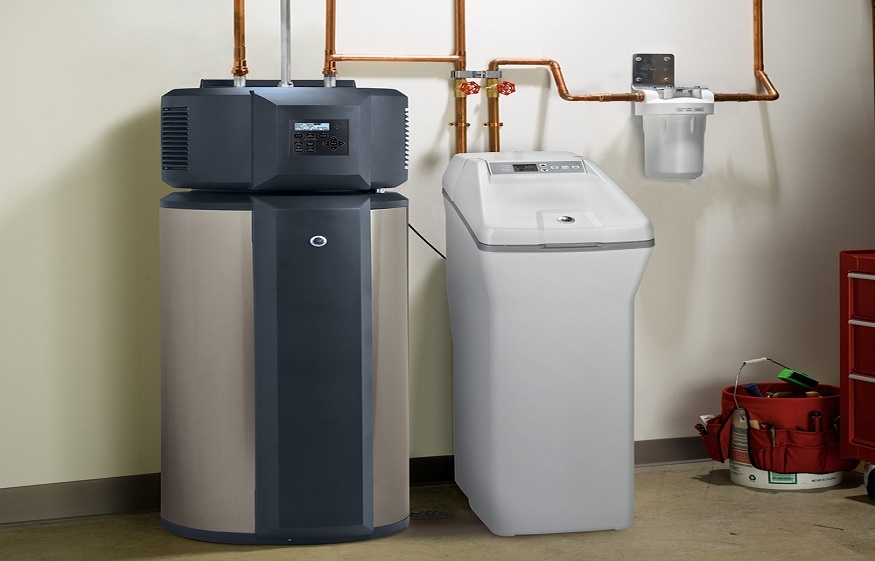
Water plays a vital role in daily household activities, from cooking and cleaning to bathing and laundry. However, the quality of water flowing into your home matters just as much as its availability. One common issue faced by many households is hard water. Hard water contains high levels of minerals like calcium and magnesium, which can quietly affect your appliances, plumbing, and even personal comfort. Understanding the signs of hard water can help you decide whether a water softener is necessary for your home.
What is Hard Water?
Hard water is water that has a high mineral content, mainly calcium and magnesium salts. While these minerals are not harmful to health, they can create several practical problems over time.
Read More : How California Interior Design Companies Transform Small Spaces into Masterpieces
As water flows through pipes and appliances, these minerals leave behind deposits known as limescale, reducing efficiency and increasing wear and tear.
Visible Signs in Your Bathroom and Kitchen
Hard water often leaves clear visual clues in the spaces you use every day. Your bathroom and kitchen are usually the first areas where mineral buildup becomes noticeable, as water is used frequently on surfaces, fixtures, and utensils. Observing these signs early can help identify hard water issues before they cause long-term damage.
1. Reduced Effectiveness of Soaps and Detergents
Hard water interferes with how soap and detergent work. You may notice that soap does not lather well while bathing or washing hands. Instead, it can leave behind a sticky film on the skin, making it feel dry or irritated after showers. In laundry, clothes washed in hard water often feel stiff, look faded, and wear out faster.
2. Frequent Appliance Issues
Household appliances that use water, such as washing machines, dishwashers, water heaters, and kettles, are particularly vulnerable to hard water. Mineral deposits build up inside these appliances, reducing their efficiency and lifespan. Water heaters may take longer to heat water, and energy consumption can increase as the system works harder to overcome scale buildup.
3. Plumbing Problems and Low Water Pressure
Over time, mineral deposits can accumulate inside plumbing pipes, narrowing the passage for water flow. This can result in reduced water pressure in taps and showers. In severe cases, pipes may clog partially, leading to costly plumbing maintenance.
4. Skin and Hair Concerns
Hard water can affect personal care routines as well. Minerals left on the skin after bathing may cause dryness, itching, or irritation. Hair washed with hard water often feels rough, looks dull, and becomes harder to manage. These effects are more noticeable for individuals with sensitive skin or scalp conditions.
5. Unpleasant Taste in Water
While hard water is generally safe to drink, some people notice a slightly metallic or bitter taste. This taste can affect beverages like tea and coffee, altering their flavour and aroma.
Why a Water Softener Can Be the Right Solution for Your Home
If you observe several of these signs consistently, installing a water softener can be a practical solution. A water softener works by removing excess calcium and magnesium from the water, preventing scale buildup and improving water quality throughout the home.
Read More : Chill Out: A Comprehensive Guide to Selecting the Perfect Cooling Mattress Protector
Softer water enhances cleaning efficiency, protects appliances, improves bathing comfort, and reduces long-term maintenance costs.
Conclusion
Hard water problems often develop gradually, making them easy to overlook until damage becomes noticeable. By paying attention to everyday signs such as scale buildup, appliance performance, laundry quality, and personal comfort, you can assess whether hard water is affecting your home. Addressing the issue early with a water softener, along with a suitable water purifier for safe and clean drinking water, can help maintain your plumbing system, extend appliance life, and improve overall household convenience.