The Ultimate Guide to Choosing the Right Water Purifier for Your Home
5 min read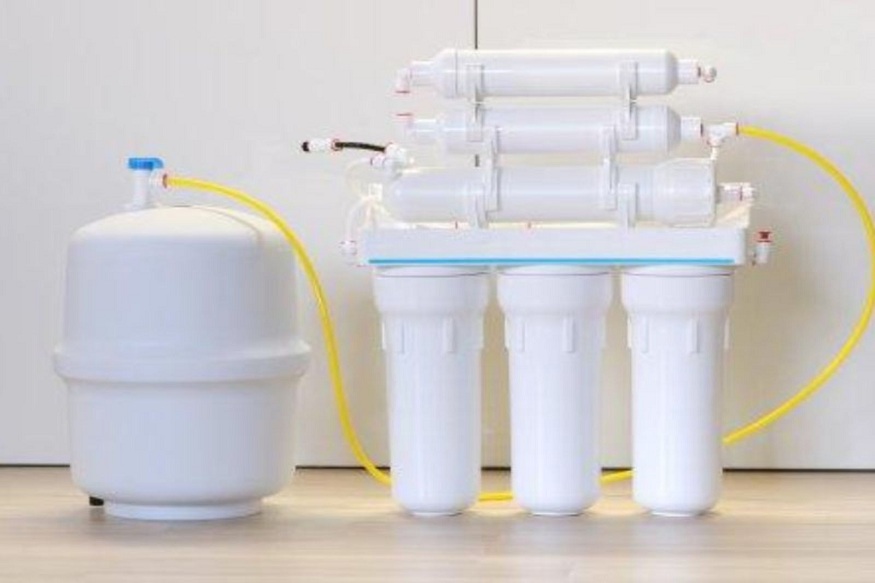
This is where a water purifier becomes a necessity rather than a luxury. Choosing the right purifier can significantly improve your health, protect your family, and ensure peace of mind.
Why Clean Water Matters
Water is involved in nearly every bodily function, from digestion to temperature regulation. However, contaminated water can carry harmful bacteria, viruses, heavy metals, and chemicals. Consuming such water may lead to serious health issues including gastrointestinal infections, kidney damage, and long-term chronic illnesses.
A water purifier removes these harmful substances, ensuring that the water you drink is safe and beneficial. It not only improves taste and odor but also eliminates invisible contaminants that can pose serious risks.
Types of Water Purifiers
Understanding the different types of purification systems is key to making an informed decision. Each technology serves a specific purpose and works best under certain conditions.
Reverse Osmosis (RO)
Reverse Osmosis purifiers use a semi-permeable membrane to remove dissolved salts, heavy metals, and impurities. They are ideal for areas where water contains high levels of Total Dissolved Solids (TDS). RO systems are highly effective but may also remove essential minerals, so some models include mineral retention features.
Ultraviolet (UV) Purifiers
UV purifiers use ultraviolet light to kill bacteria and viruses. They are effective in eliminating biological contaminants but do not remove dissolved impurities or chemicals. UV systems are best suited for water that is already clear but microbiologically unsafe.
Read More:How to Find the Right Electrician Pflugerville for Your Home or Business
Ultrafiltration (UF)
UF purifiers use a membrane similar to RO but with larger pores. They can remove bacteria and suspended particles but are not effective against dissolved salts. UF systems do not require electricity, making them a good option in areas with frequent power outages.
Activated Carbon Filters
These filters are designed to remove chlorine, bad odor, and organic compounds. They are often used as a pre-filter in combination with other technologies to improve taste and smell.
Factors to Consider Before Buying
Choosing the right purifier depends on several factors. Understanding your water quality and household needs is crucial.
Water Source
The source of your water—whether it’s groundwater, municipal supply, or surface water—determines the type of contaminants present. Groundwater often contains high TDS and requires RO purification, while municipal water may need UV or UF systems.
TDS Levels
Testing your water’s TDS level helps identify the right purification method. High TDS levels indicate the presence of dissolved salts, which require RO technology. Low TDS water may only need UV or carbon filtration.
Storage Capacity
Depending on your family size, you should choose a purifier with adequate storage capacity. Larger families need purifiers with bigger tanks to ensure a continuous supply of clean water.
Maintenance and Cost
Regular maintenance is essential for optimal performance. Filter replacements, servicing costs, and electricity consumption should be considered before purchasing. A slightly higher upfront investment can save money in the long run if the purifier is durable and efficient.
Benefits of Using a Water Purifier
A water purifier offers numerous advantages beyond just providing clean water.
Improved Health
By removing harmful contaminants, purifiers reduce the risk of waterborne diseases. Clean water supports better digestion, skin health, and overall well-being.
Better Taste and Odor
Filtered water tastes fresher and smells better, encouraging you to drink more water and stay hydrated.
Environmental Impact
Using a purifier reduces dependency on bottled water, which helps minimize plastic waste and environmental pollution.
Cost-Effective Solution
While bottled water may seem convenient, it is expensive over time. Investing in a purifier is more economical and sustainable.
Modern Innovations in Water Purification
Technology has transformed water purification systems, making them smarter and more efficient. Today’s purifiers come with features like digital indicators, automatic shut-off, and smart sensors that monitor filter life and water quality.
Some advanced systems even integrate with smart home devices, allowing users to track usage and maintenance schedules through mobile apps. Interestingly, modern kitchens are evolving alongside these innovations, and appliances like Ciarra One are redefining how compact, multifunctional designs can complement essential home utilities, including water purification systems.
Common Myths About Water Purifiers
There are several misconceptions about water purification that can lead to poor choices.
“Boiling Water Is Enough”
While boiling kills bacteria and viruses, it does not remove chemical contaminants or heavy metals. A purifier provides comprehensive protection.
“All Purifiers Are the Same”
Different purifiers use different technologies. Choosing the wrong type can leave certain contaminants untreated.
“Minerals in Water Are Always Lost”
Modern RO systems often include mineral cartridges that restore essential nutrients, ensuring balanced and healthy drinking water.
Maintenance Tips for Longevity
Proper maintenance ensures that your purifier functions efficiently for years.
- Replace filters regularly as recommended by the manufacturer.
- Clean the storage tank periodically to prevent bacterial growth.
- Check for leaks or unusual noises and address issues promptly.
- Schedule professional servicing at least once a year.
Neglecting maintenance can reduce efficiency and compromise water quality.
How to Test Your Water Quality
Before purchasing a purifier, it’s important to test your water. You can use home testing kits or consult professional services. Key parameters to check include:
- TDS levels
- Presence of bacteria
- Hardness
- Chemical contamination
Knowing these factors helps you choose a purifier that meets your specific needs.
Choosing the Best Brand
With so many options available, selecting a reliable brand can be overwhelming. Look for brands with good customer reviews, reliable after-sales service, and certified products. Certifications ensure that the purifier meets safety and performance standards.
Read More:Emergency HVAC Services in Eugene: How Contractors Handle Sudden Breakdowns
Reading user feedback and comparing features can help you make an informed decision. It’s also wise to choose a brand that offers easy access to spare parts and servicing.
The Future of Water Purification
The future of water purification lies in sustainability and smart technology. Innovations like energy-efficient systems, eco-friendly filters, and AI-based monitoring are shaping the next generation of purifiers.
As awareness about health and environmental issues grows, more households are investing in advanced purification systems. Governments and organizations are also promoting clean water initiatives, making safe drinking water accessible to more people.
Conclusion
A water purifier is an essential investment for every household. It ensures that you and your family have access to clean, safe, and healthy drinking water. By understanding the different types of purifiers, evaluating your water quality, and considering key factors, you can choose the right system for your needs.
In today’s world, where water contamination is a growing concern, taking proactive steps to ensure water safety is crucial. A reliable purifier not only protects your health but also contributes to a better quality of life. Making the right choice home today can lead to long-term benefits for you and your loved ones.